✦DermaLens research preview is live.Try the sandbox ↗
Explainable image intelligence
See what the model sees.
Inspect probability, attention, and robustness for skin-lesion image classification in one continuous research workflow.
example interface
to evidence.
Claim second.
Inspect every class
transparent AI.
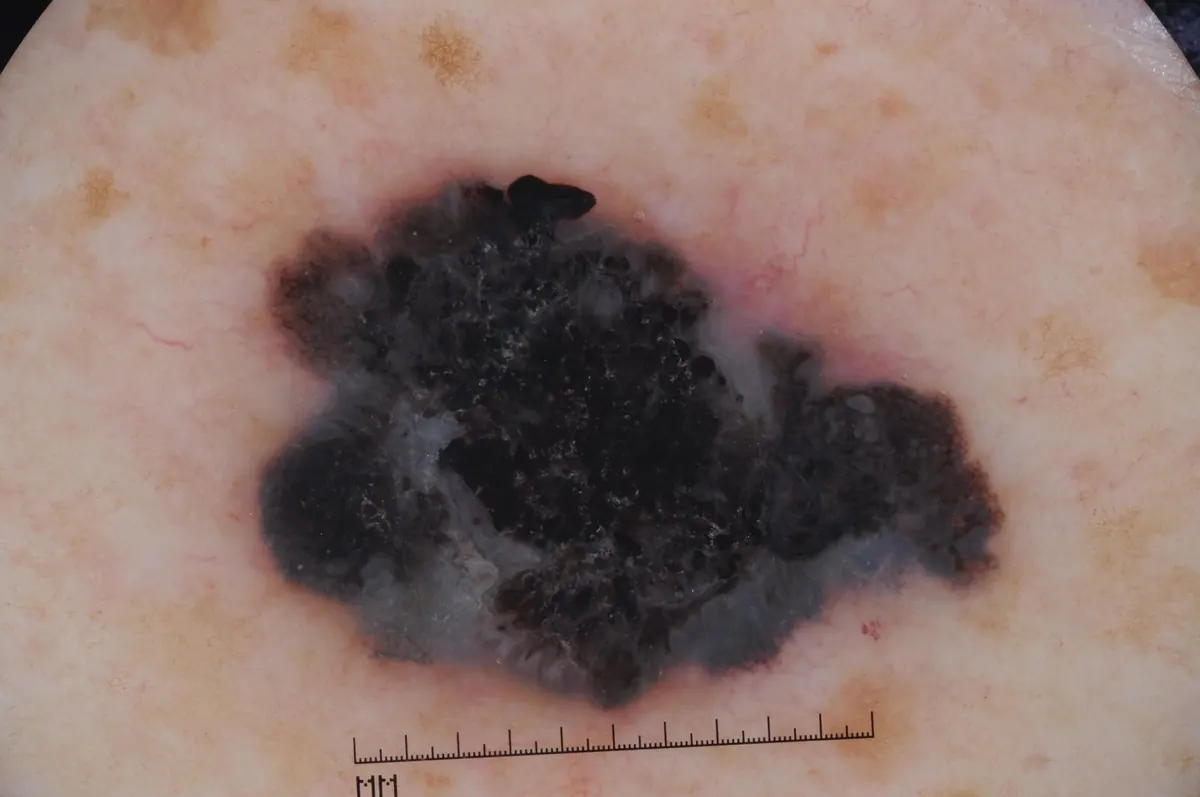
Attention ≠ diagnosisAnalyze a dermatoscopic image, show what influenced the prediction, and compare robustness under lighting changes.
◉ DermaLens v2
01 / Analyze
Start with the image.
Upload a dermatoscopic image and inspect the model's complete probability distribution instead of only a single label.
01 / 04Scroll to explore
D DermaLens
AnalyzeAttentionRobustnessEvidence
Prediction
Melanoma
0.87- Nevus0.08
- Basal cell carcinoma0.03
- Actinic keratosis0.02
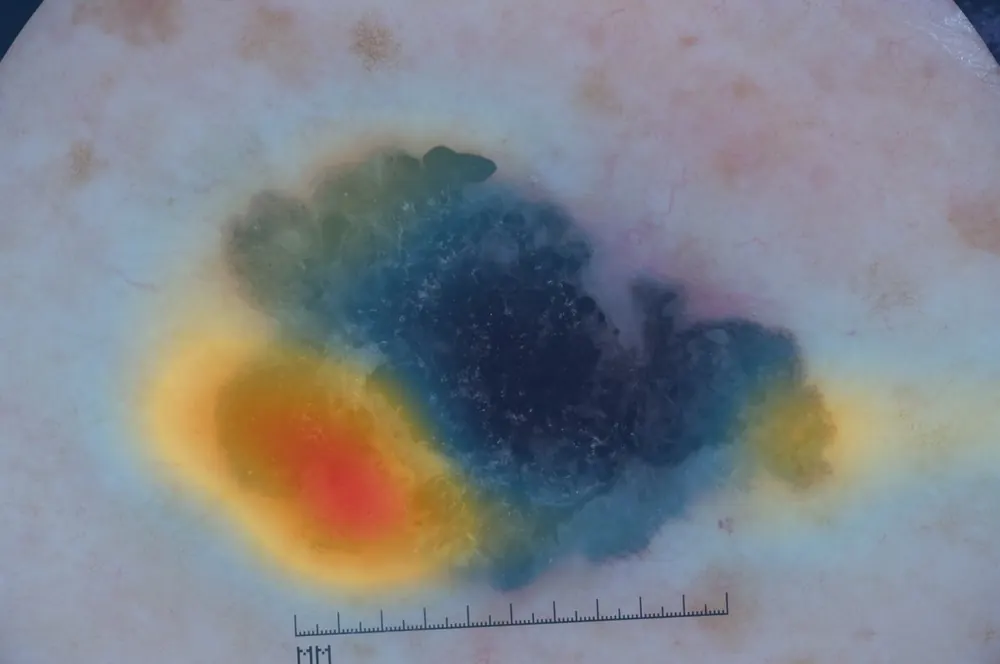
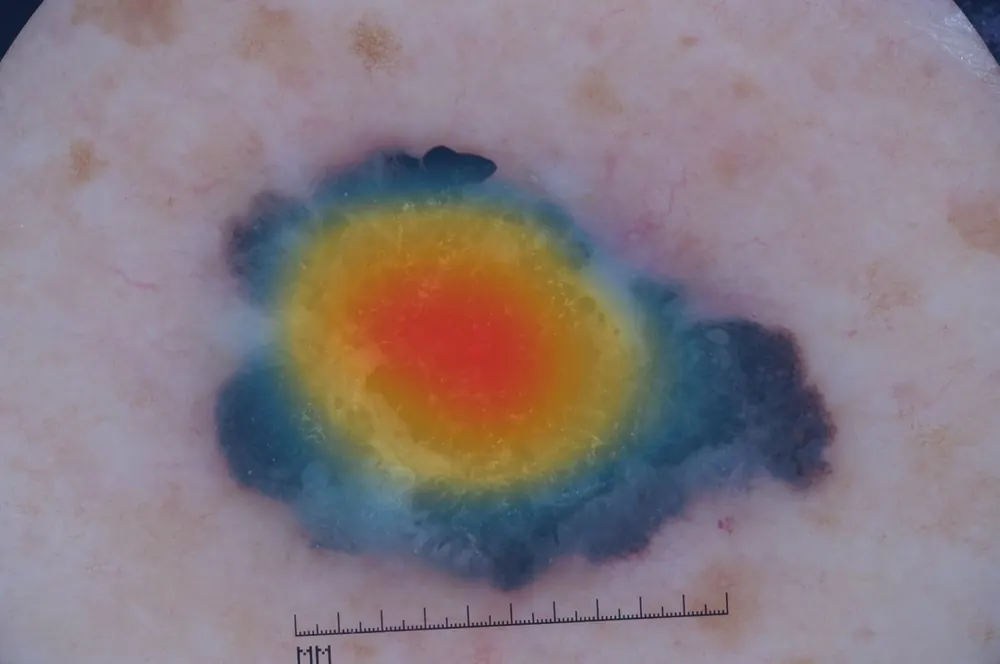
Grad-CAM
What influenced the top score?
The highlighted region marks the pixels that contributed most strongly to the model's selected class.
OriginalBrighterDarkerLower contrastTop-class stability80%
Held-out evaluation
Only show what has been measured.
Lesion-level splitImplemented
Class weightingImplemented
Calibration metricsImplemented
Final test resultsPending training
Sandbox
Try the research workflow yourself.
Upload an image, inspect the model output, then stress-test the same image against controlled changes in image conditions.
01 / Input
Photo type
02 / Inspect
Model output will appear here.The sandbox stays empty until you upload and analyze an image.
Research
Designed to make uncertainty visible.
Lesion-level split
Images from the same lesion stay within one split, reducing leakage between training and evaluation.
Class-aware training
Weighted loss helps keep majority classes from dominating the learning objective.
Robustness checks
Controlled image perturbations expose sensitivity to lighting, contrast, and blur.
Evidence
No performance claims until the test split says so.
The interface separates implemented methodology from measured results. Held-out metrics appear only after real trained weights have been evaluated.
Evaluation statusPending training
Waiting for the real evaluation.
No placeholder accuracy, no invented benchmark, no diagnostic claim.
Responsible use
A model score is not a diagnosis.
DermaLens is an educational research prototype. Image quality, dataset composition, skin-tone representation, hardware, and distribution shift can all affect model behavior. Concerning lesions should be evaluated by a qualified clinician.